A solid maintenance plan should feel clear, not overwhelming. Most vehicles do not fail because one big thing was ignored, they fail because a bunch of small items were allowed to drift. A plan that fits your driving helps you stay ahead of wear without chasing every little noise or alert.
Build it in layers, and it becomes easy to follow.
Read Your Driving, Not Just The Odometer
Start by looking at how the car actually lives. Short trips, heavy traffic, long idle time, towing, and steep hills can age fluids and wear items faster than mileage suggests. If you drive that way most weeks, your plan should be tighter on key services.
Highway miles tend to be easier miles, but even those can be hard on tires and brakes if speeds are high or loads are heavy. Weather also matters, because heat and cold both push fluids and rubber parts in different directions. If you want a plan that works, it has to match your patterns, not a generic calendar.
Build The Plan Around Fluids And Wear
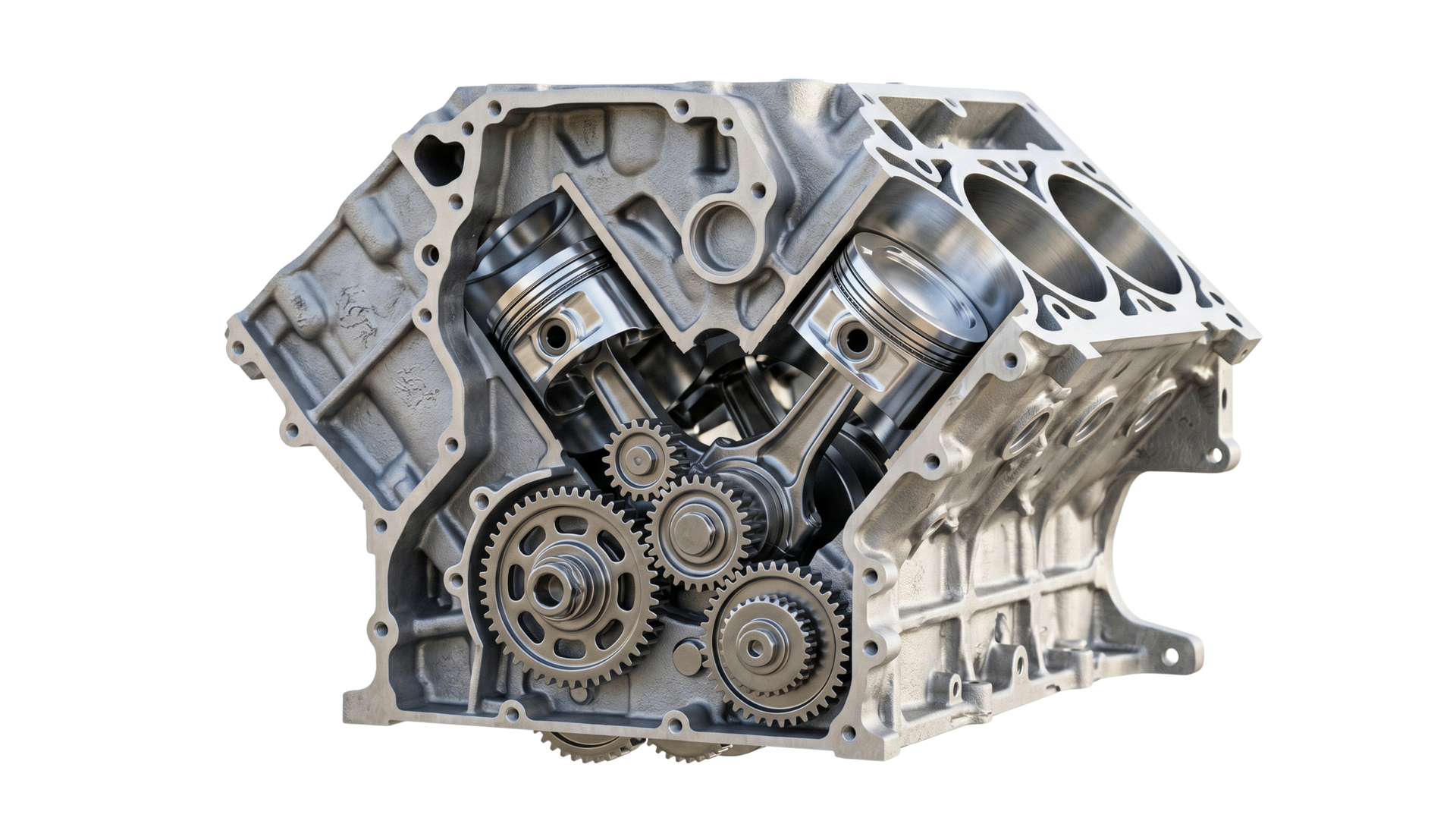
The best plans start with what protects expensive parts. Engine oil, coolant, brake fluid, transmission fluid, filters, tires, and brakes belong at the top because they have the biggest impact on reliability. If these items stay on track, the car usually stays predictable.
A simple core list makes planning easier, especially when you group checks that naturally go together:
- Engine oil and filter based on your use
- Tire rotation and pressure checks
- Brake pad and rotor condition checks
- Coolant level and condition checks
- Air and cabin filter condition checks
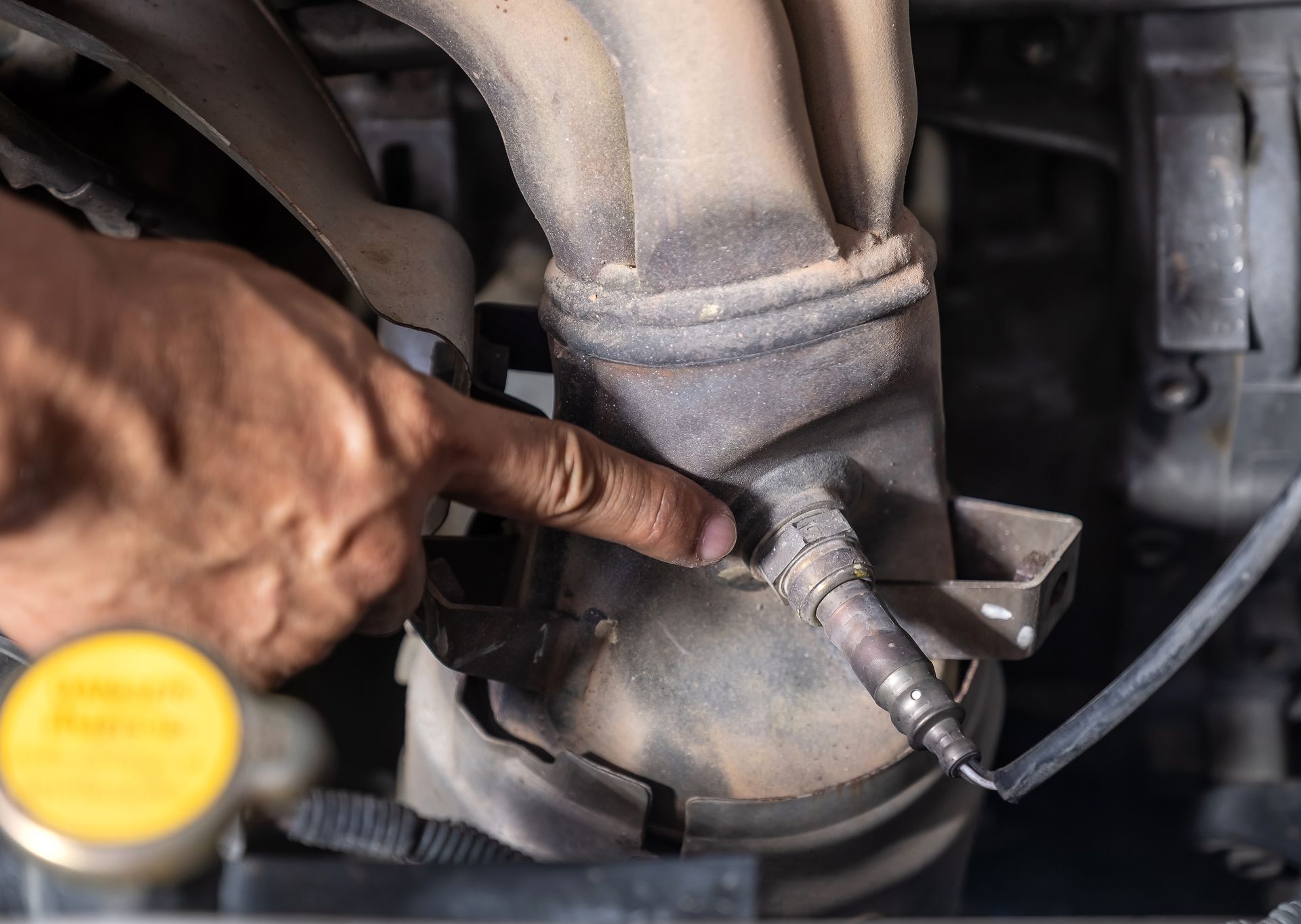
From there, add in items your vehicle is known for, like spark plugs, belts, or a timing belt if applicable. If something is borderline, stage it over a couple visits instead of trying to do everything at once. That keeps the plan realistic and keeps you from skipping the whole thing.
Use Time, Mileage, And Dashboard Clues Together
Mileage-based intervals are useful, but time-based intervals matter too. Some fluids absorb moisture, and additives can fade even if the vehicle sits. That is why a low-mileage car can still need certain services.
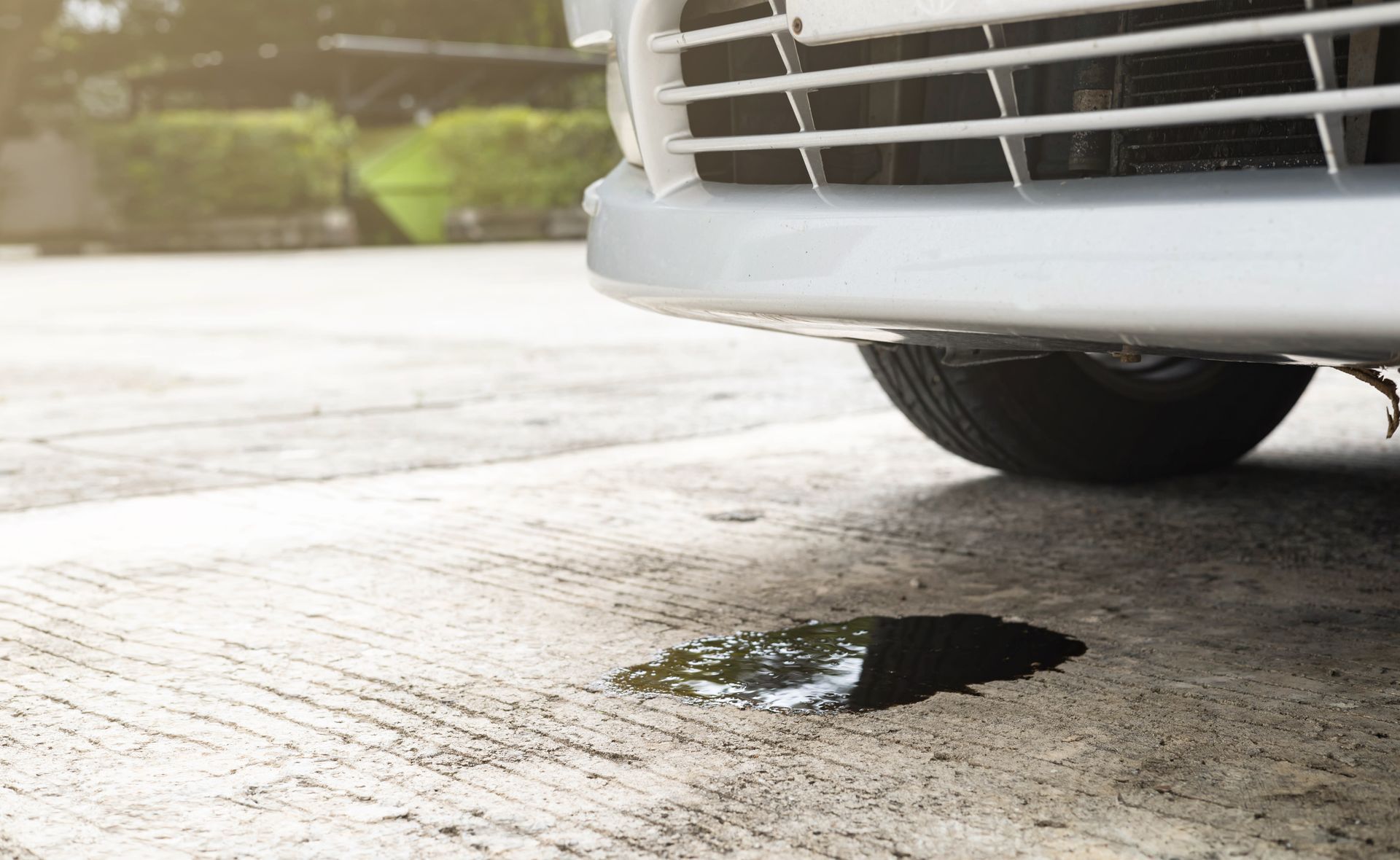
Use dashboard reminders as a prompt, not the full decision. Oil life systems are helpful, but they cannot see slow leaks or oil consumption. If a reminder comes on earlier than expected, treat it as a clue about your driving conditions and adjust the plan.
Add A Twice-Yearly Checkpoint
A twice-yearly checkpoint keeps small issues from turning into surprise repairs. This is when we like to look at tires, brakes, battery health, exterior lights, and visible leaks, plus anything seasonal that affects your area. It is also a good time to review what is coming due next so you are not guessing.
This is where one focused inspection can save a lot of hassle later. If something looks newly damp, worn unevenly, or close to the limit, you can plan it instead of reacting to it. That approach usually costs less, and it is easier on your schedule.
Track It Simply So You Actually Follow It
A plan only helps if it is easy to track. Keep a note with date, mileage, what was done, and what is due next, and update it right after each visit. When you can see the next steps in one place, you are far less likely to drift past them.
Treat regular maintenance like a routine you protect, not a chore you squeeze in when something feels off. We’ve seen that a simple log is the difference between a car that stays dependable and one that slowly becomes unpredictable. If you share the vehicle with family, that same note prevents duplicated work and missed intervals.
Get A Car Maintenance Plan In Waldorf, MD With Ashten's Total Auto Care
If you want a plan that fits your driving and your vehicle’s needs, Ashten's Total Auto Care can help you build a schedule that is simple to follow and easy to maintain.
Pick a time that works and leave with a clear checklist for the months ahead.