A small oil leak can look harmless for a while. One or two drops on the driveway, a faint burning smell after a drive, or a little oily residue under the hood may not feel urgent when the car still starts and drives normally.
That is why oil leaks get ignored so often. The problem is not always the first drop of oil. It is what happens when the leak spreads, lowers the oil level, reaches hot parts, or hides another problem underneath the engine. A small leak can remain small for a long time, but it can become a much bigger engine concern if left unchecked.
Oil Level Can Drop Faster Than You Realize
A small leak may not seem like much from the ground, but oil loss adds up over time. A few drops after every drive can help lower oil levels between services, especially on vehicles that already burn a little oil as they age.
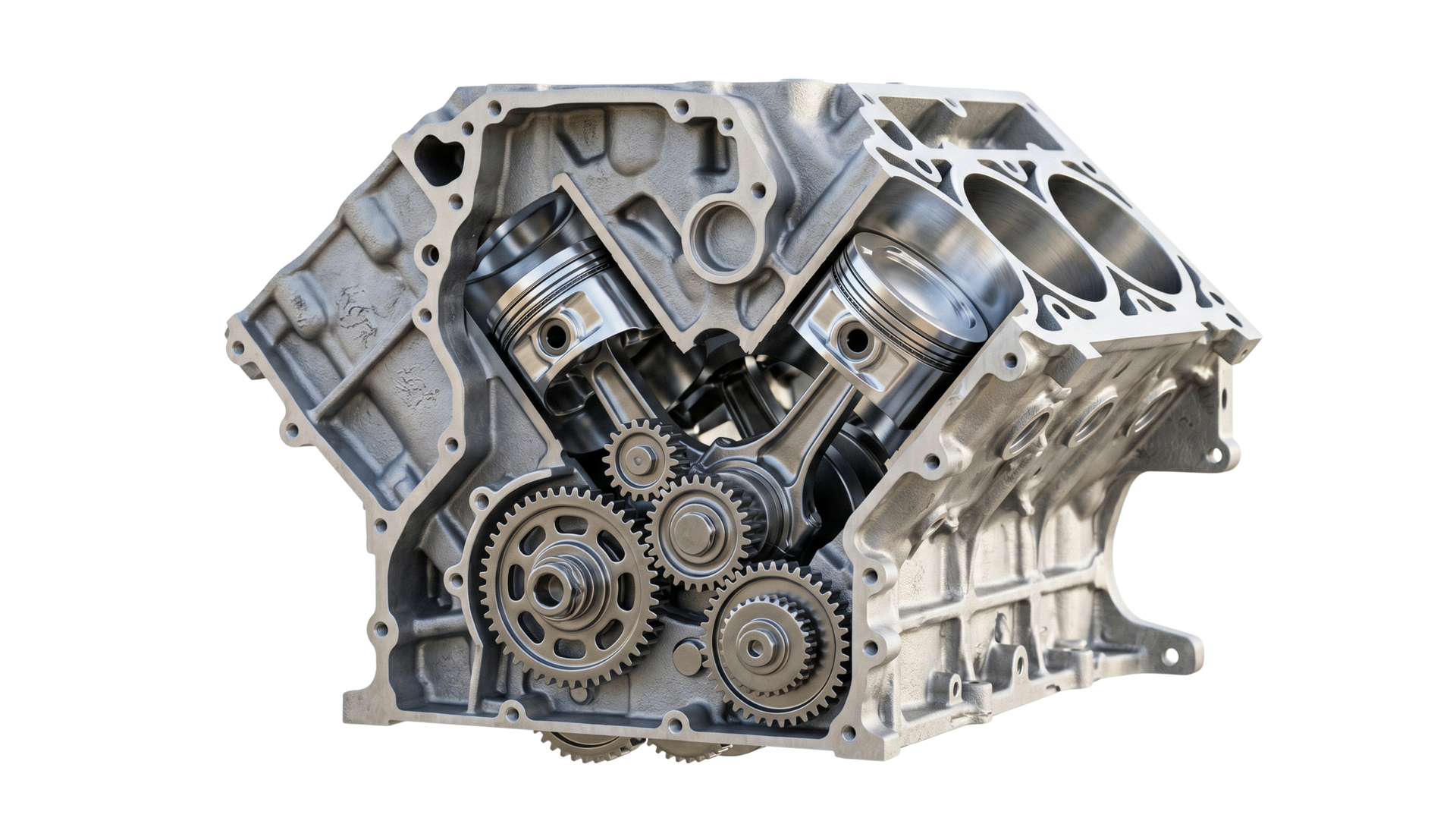
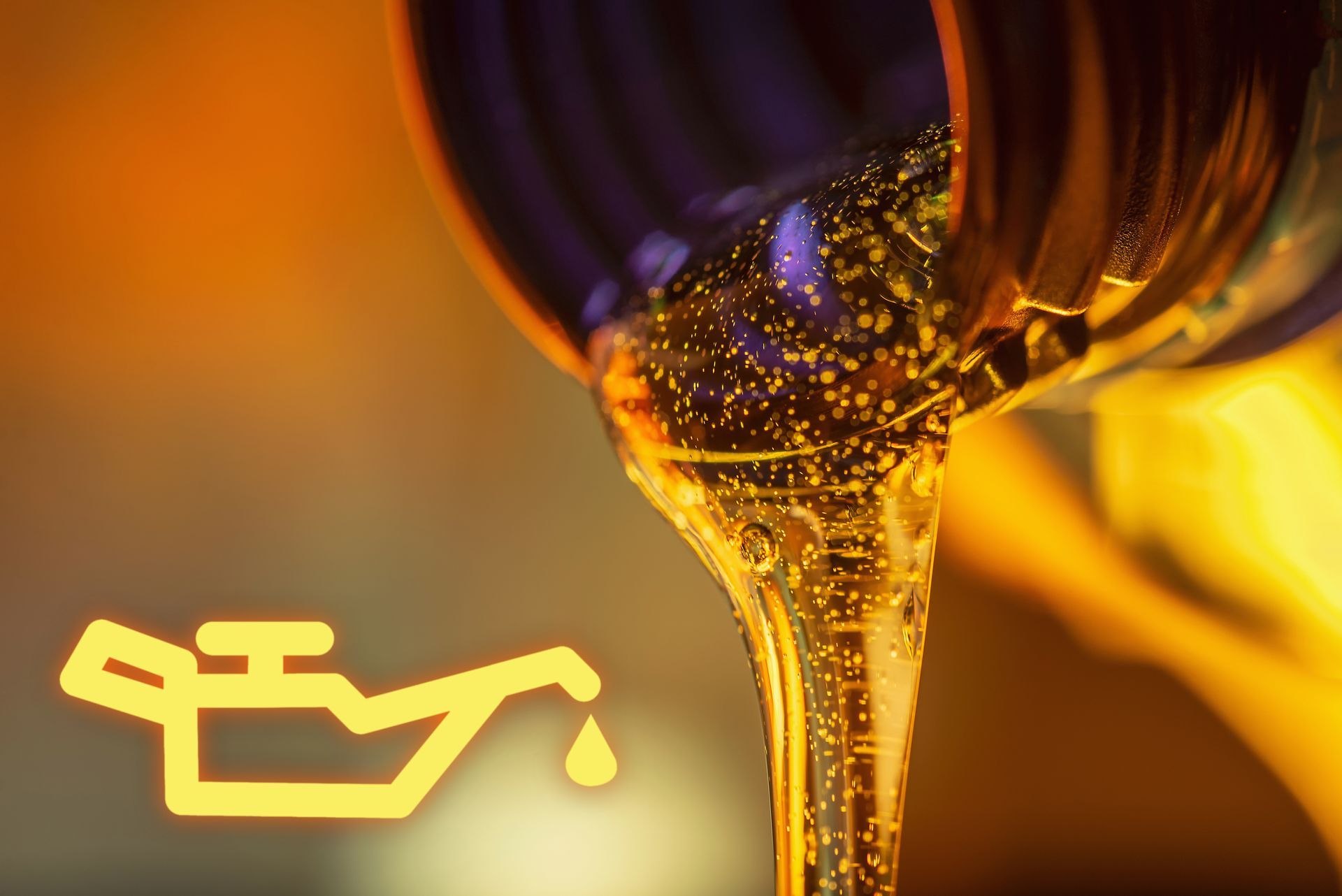
Low oil is where the risk gets serious. Engine parts depend on the right amount of oil to reduce friction and heat. If the level drops too far, bearings, camshafts, timing parts, pistons, and turbochargers on equipped vehicles can lose protection. The oil pressure light is not something you want to wait for, because it may come on after the engine is already in trouble.
Oil Can Leak Onto Hot Exhaust Parts
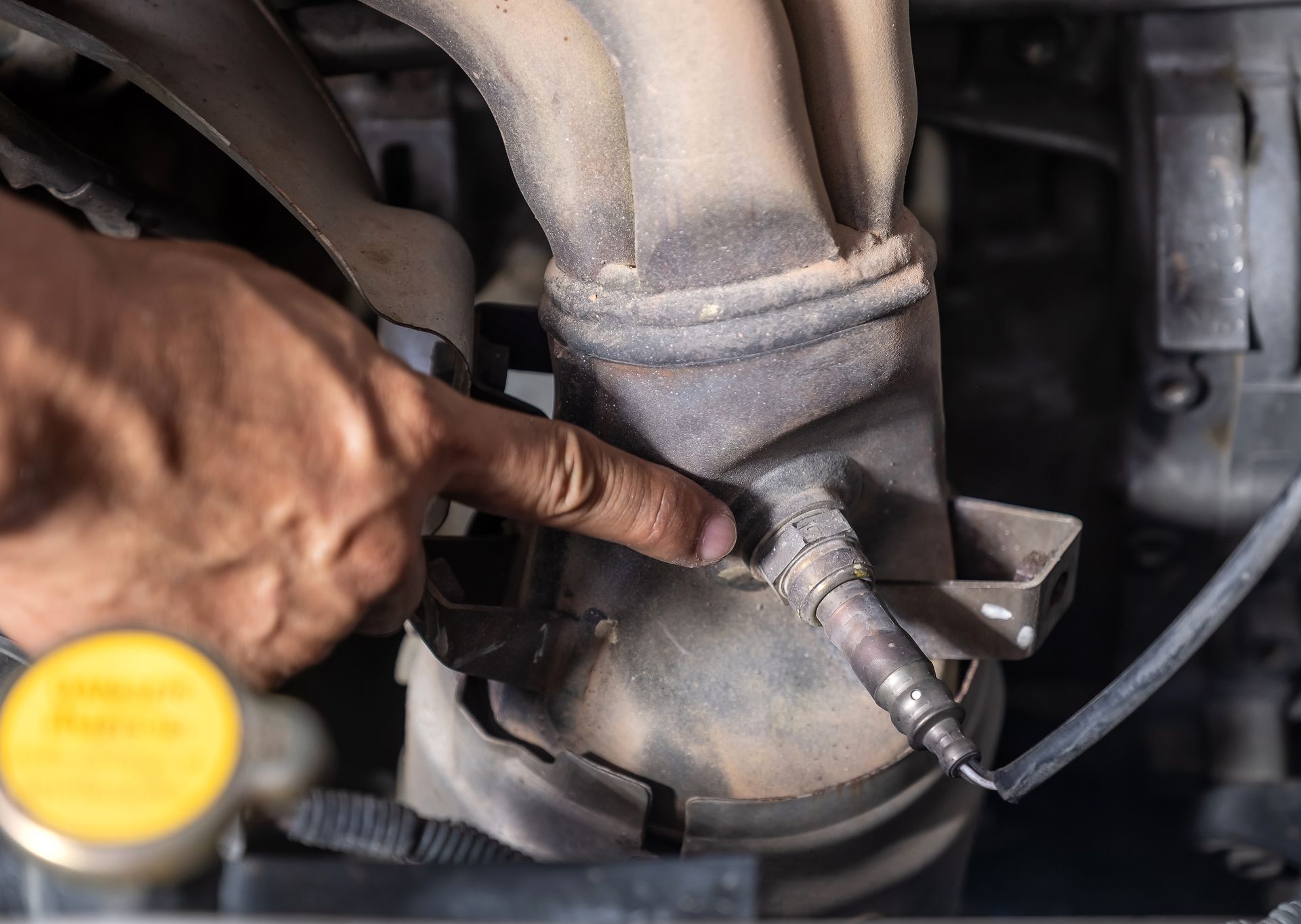
One reason even a small oil leak deserves attention is location. Oil that drips onto a hot exhaust manifold, catalytic converter, or exhaust pipe can create a burning smell or light smoke. Some drivers notice it more after highway driving, sitting in traffic, or parking after the engine is hot.
That smell is more than unpleasant. It means oil is reaching a hot surface. The leak may come from a valve cover gasket, oil filter housing, timing cover, or another upper-engine seal. If the oil keeps spreading, it can make the engine bay messy and harder to inspect later.
Leaking Oil Can Damage Rubber Parts
Oil does not stay neatly in one place. It can run down the engine, collect on splash shields, blow backward while driving, and soak parts nearby. Rubber hoses, belts, bushings, and mounts can soften or swell when exposed to oil for too long.
A valve cover leak, for example, might drip onto a belt or hose. At first, the leak looks minor. Later, the belt starts slipping, the hose weakens, or the smell gets worse. That is how a small gasket leak can lead to additional repairs that were not part of the original problem.
Common Places Small Oil Leaks Start
Oil leaks can come from many areas, and the exact source is not always obvious from where the spot lands on the ground. Airflow can push oil across the underside of the vehicle while you drive.
Common oil leak sources include:
- Valve cover gaskets
- Oil pan gaskets
- Oil filter housing seals
- Drain plug washers
- Timing cover gaskets
- Camshaft or crankshaft seals
- Oil pressure sensors
- Front or rear main seals
Some are easier to repair than others. The key is finding the true source before replacing parts. A messy engine may need cleaning and rechecking to trace the fresh leak correctly.
A Small Leak Can Hide A Bigger Issue
Not every oil leak is just an aging gasket. Sometimes oil leakage is linked to pressure problems, clogged PCV systems, loose parts, poor previous repairs, or seals pushed beyond their limits. If pressure builds inside the crankcase, oil can be forced past seals and gaskets.
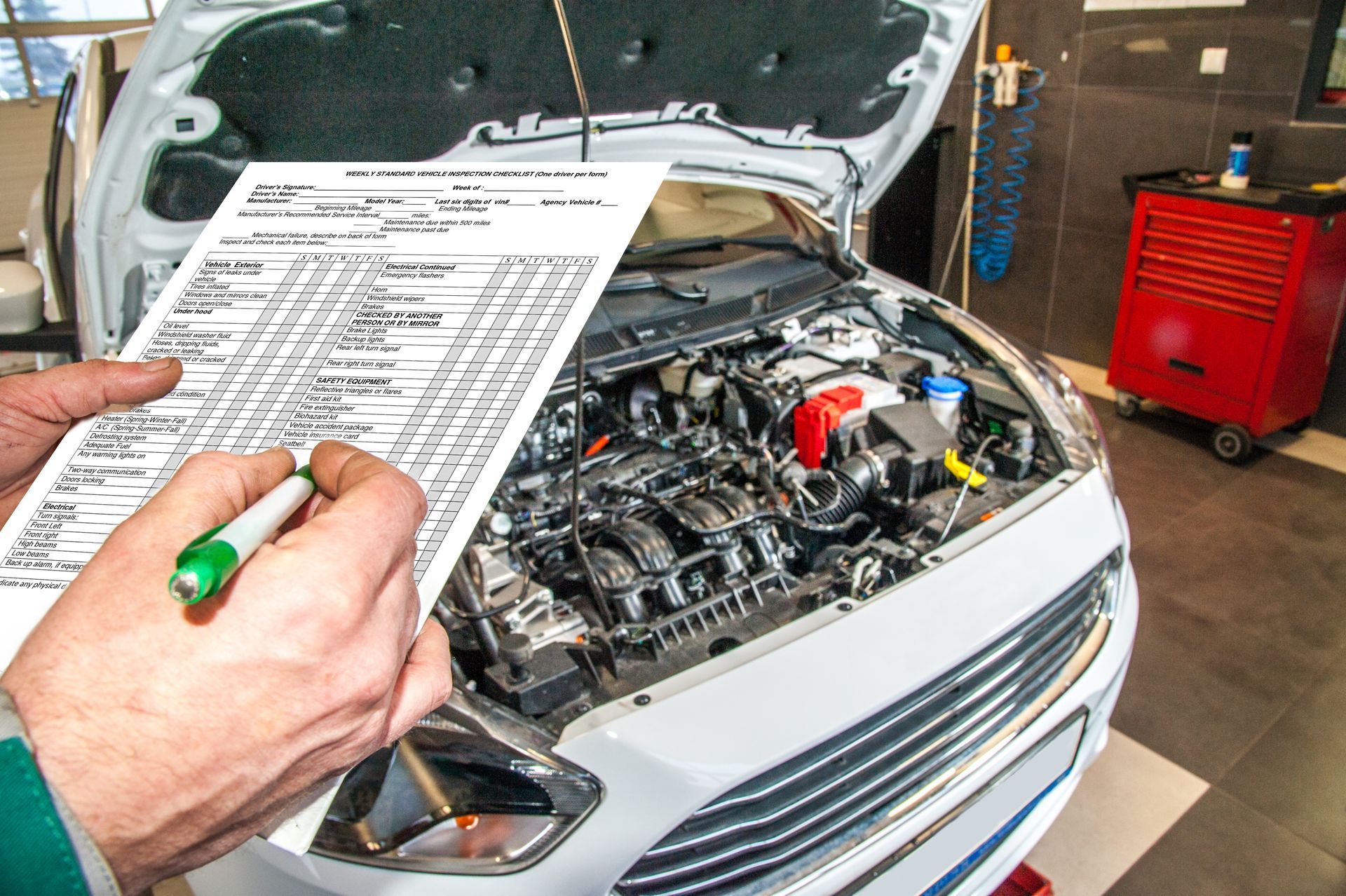
That is why an inspection should look beyond the wet spot. The shop should check oil level, leak location, engine condition, PCV operation when needed, and whether more than one leak is present. Fixing the visible leak without investigating why it happened can lead to the same problem recurring.
Burning Oil And Leaking Oil Are Different
Drivers sometimes confuse leaking oil with burning oil. A leak means oil is escaping outside the engine. Burning oil means oil is being consumed inside the engine and leaving through the exhaust. Both can lower the oil level, but they have different causes.
Blue smoke from the exhaust, fouled spark plugs, or oil loss with no visible leak may point toward internal oil consumption. A spot under the car, a wet gasket, or a burning smell under the hood point more toward an external leak. Either way, the oil level should be watched closely until the cause is found.
Why Waiting Can Cost More
Oil leaks rarely repair themselves. Some slow down for a while, then return. Others spread across the engine, making a simple repair harder to confirm. Waiting can also allow oil level problems, belt damage, hose damage, smoke, and stronger smells to develop.
Regular maintenance helps catch small leaks before they cause bigger trouble. During an oil service, the shop can look for seepage, check the level, inspect the filter and drain plug area, and note whether old residue has become an active leak. That early information makes planning repairs much easier.
Get Oil Leak Repair In Waldorf, MD, With Ashten's Total Auto Care
If you see oil spots, smell burning oil, notice smoke, or keep finding the oil level low, Ashten's Total Auto Care in Waldorf, MD, can find the source and explain what needs attention.