A used truck or SUV can offer cargo space, towing capability, ground clearance, and room for passengers without the price of a new vehicle. It can also hide expensive wear in the transmission, four-wheel-drive system, suspension, cooling system, or frame.
Before buying, ask questions that reveal how the vehicle was used and maintained. A clean interior and quiet idle do not confirm that it is ready for years of dependable service. These five questions can help you identify concerns that deserve a closer look before money changes hands.
1. How Was The Vehicle Used?
A truck that spent most of its life commuting may have different wear from one used for towing, construction work, snow plowing, or off-road driving. Heavy loads increase stress on the transmission, brakes, cooling system, suspension, wheel bearings, and differentials.
Ask whether the vehicle regularly pulled a trailer and what type of trailer it carried. Look for a trailer brake controller, worn hitch receiver, wiring modifications, or scratches around the bed and tailgate. These signs do not automatically make the truck a poor purchase, but they provide context for the inspection.
SUVs also deserve questions about use. Frequent short trips, extended idling, rideshare work, and carrying seven passengers can add wear even when the mileage appears reasonable. The condition should match the seller’s description of how the vehicle was driven.
2. Are Complete Service Records Available?
Maintenance records can reveal whether engine oil, coolant, transmission fluid, differential oil, transfer case fluid, spark plugs, filters, and brakes were serviced at appropriate intervals. Receipts also show which repairs have already been completed and whether the same concern has returned repeatedly.
Pay close attention to transmission and four-wheel-drive service. These systems can be expensive to repair, and their fluids are often overlooked. If the truck or SUV has a timing belt, ask when it was replaced and whether the water pump and related components were serviced at the same time.
Missing records do not prove the vehicle was neglected, but they increase uncertainty. When service history is incomplete, condition checks and fluid evaluations become even more important.
3. Has It Ever Been In A Collision Or Flood?
A vehicle history report can provide useful information, but not every collision or repair is reported. Ask the seller directly about previous bodywork, frame damage, airbag deployment, water intrusion, and insurance claims.
Look for uneven panel gaps, mismatched paint, overspray, missing fasteners, wrinkled metal, and welds that do not appear factory-made. Check beneath floor mats and cargo panels for moisture, corrosion, or a musty smell. Flood exposure can damage wiring, connectors, modules, seat electronics, and safety systems long after the interior appears dry.
Trucks deserve a close look at the frame, hitch mounting points, suspension brackets, and bed alignment. Rust around structural areas should be evaluated carefully, especially when corrosion has begun flaking or forming holes.
4. Do The Four-Wheel-Drive And Towing Systems Work?
Do not assume four-wheel drive operates correctly just because the dashboard switch or lever moves. Test each available mode according to the owner’s manual. Listen for grinding, popping, binding, or delayed engagement, and watch for warning messages.
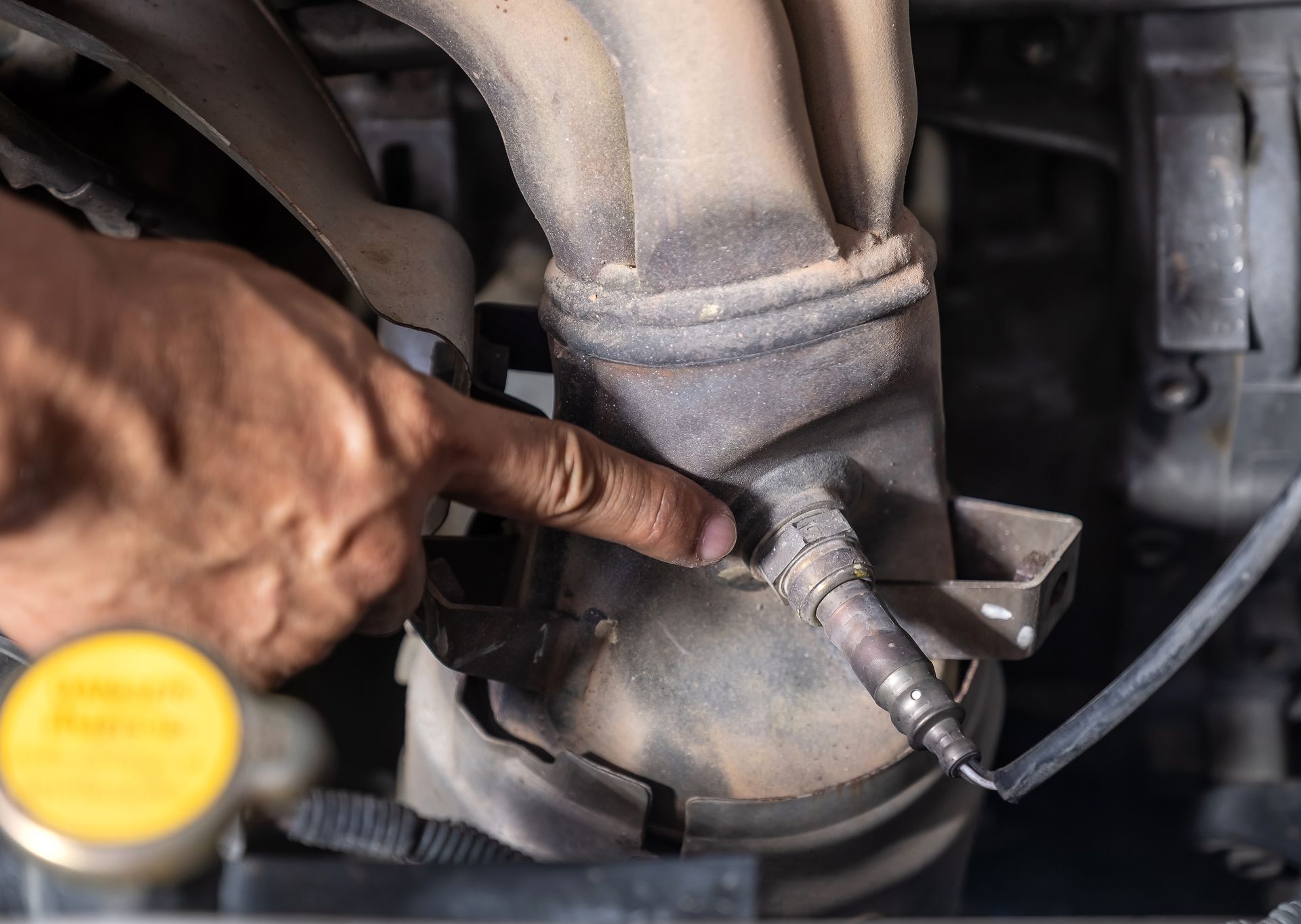
The inspection should include the transfer case, front and rear differentials, driveshafts, U-joints, CV axles, hubs, and related wiring. Mismatched tires can also strain an all-wheel-drive or four-wheel-drive system because differences in rolling diameter force the drivetrain to compensate continuously.
If towing is part of your plan, confirm the vehicle’s actual rating by its configuration rather than relying on a general advertisement. Engine, axle ratio, cooling package, brakes, hitch class, and factory equipment all influence capacity.
Ask these towing questions before buying:
- What is the rated towing capacity for this exact configuration?
- Does it have a factory towing package?
- Has the transmission ever overheated while towing?
- Are the trailer wiring and brake controls operational?
- Has the hitch or frame ever been repaired?
These details help determine whether the vehicle fits your needs and whether previous towing may have contributed to drivetrain wear.
5. Can I Have It Professionally Inspected?
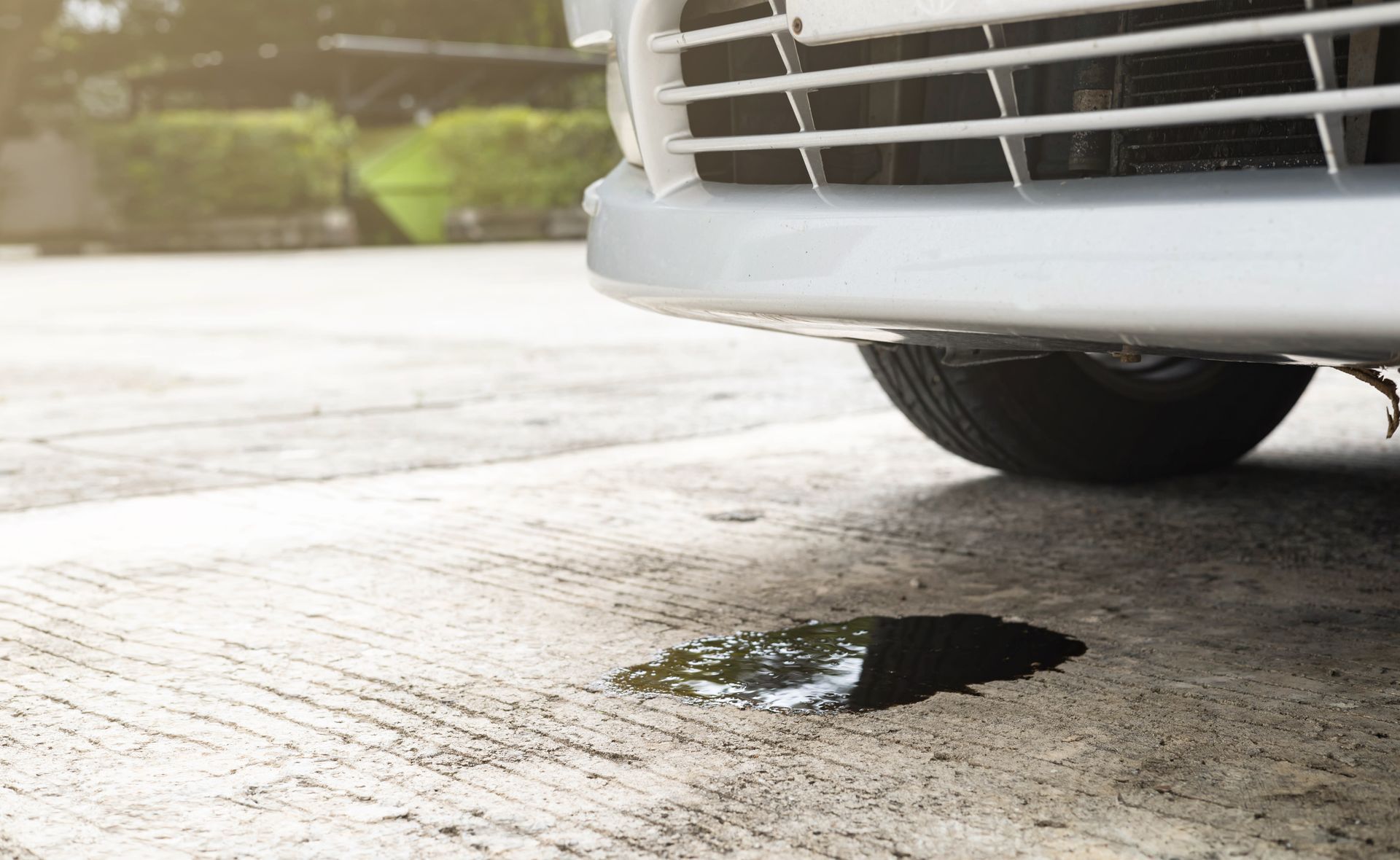
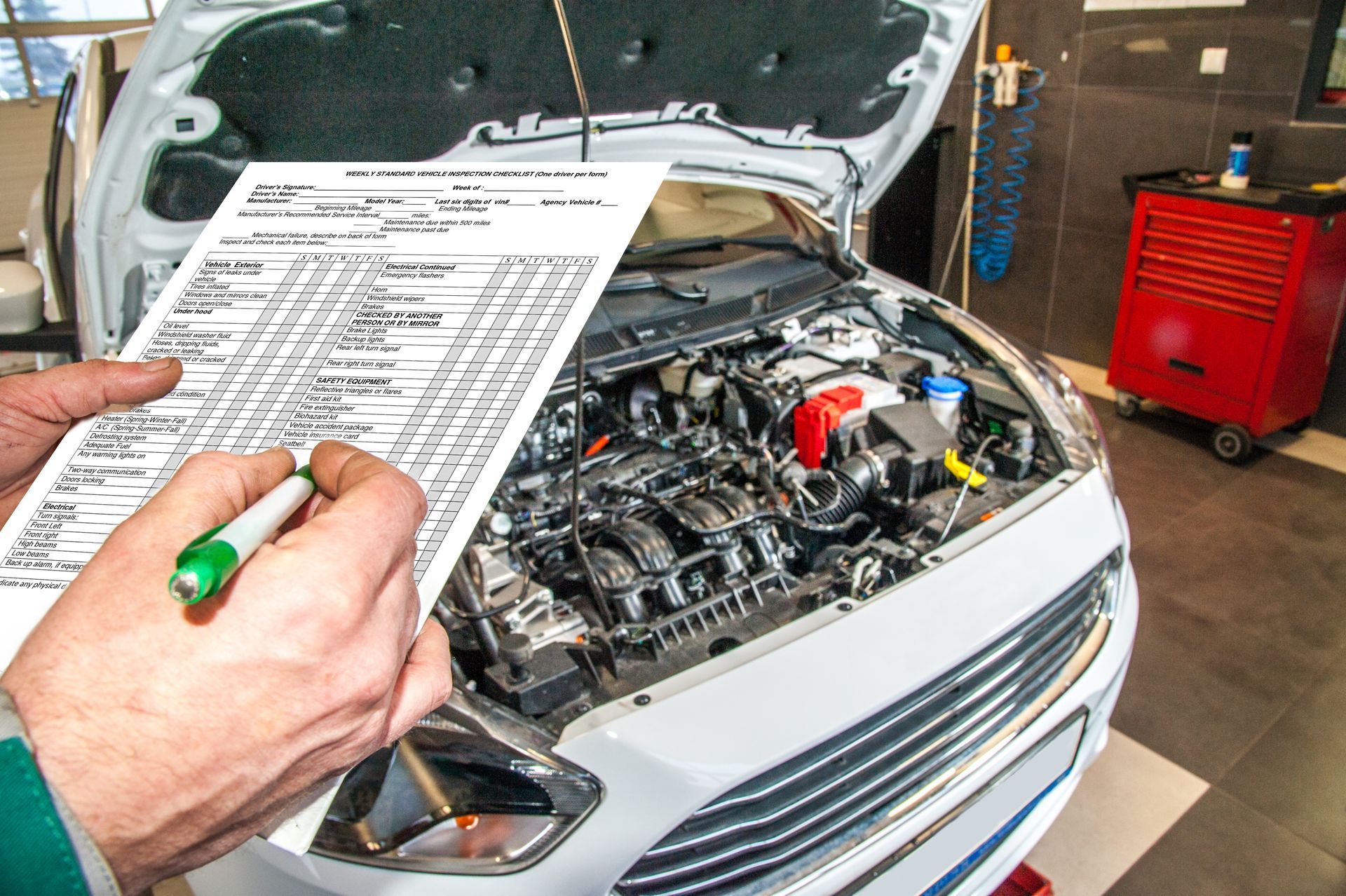
A seller who refuses an independent pre-purchase inspection gives you an important reason to step back. A proper evaluation can uncover leaks, worn suspension parts, weak brakes, rust, stored fault codes, transmission concerns, and repairs that are difficult to identify during a brief test drive.
The technician should inspect the vehicle on a lift and test it on the road. The engine should accelerate without hesitation, heavy smoke, or unusual knocking. The transmission should enter drive and reverse without a long delay, and shifts should remain consistent after the vehicle reaches operating temperature.
Tires, brakes, steering, cooling-system pressure, battery condition, fluid levels, and underbody components should also receive attention. An inspection cannot predict every future repair, but it can give you a clearer picture of what needs immediate service and what may require budgeting later.
Use The Findings To Evaluate The Real Price
The purchase price is only one part of the cost. A truck that needs tires, brakes, suspension work, fluid service, and cooling-system repairs may be thousands of dollars more expensive than the listing suggests.
Use the inspection findings to decide whether the vehicle is worth buying, whether the price should be adjusted, or whether another option would be safer. Regular maintenance records and a good road test are encouraging, but a hands-on evaluation provides stronger information than appearance alone.
Get A Used Truck Or SUV Inspection In Waldorf, MD, With Ashten's Total Auto Care
Before buying a used truck or SUV, Ashten's Total Auto Care in Waldorf, MD, can inspect the engine, transmission, four-wheel-drive system, brakes, suspension, tires, frame, fluids, and electronics.