Key Takeaways
- The plastic cover beneath the engine helps limit road spray and debris, manage airflow, and, on some vehicles, reduce noise.
- A loose or dragging engine splash shield needs its panel, fasteners, and mounting points inspected, especially after a road impact.
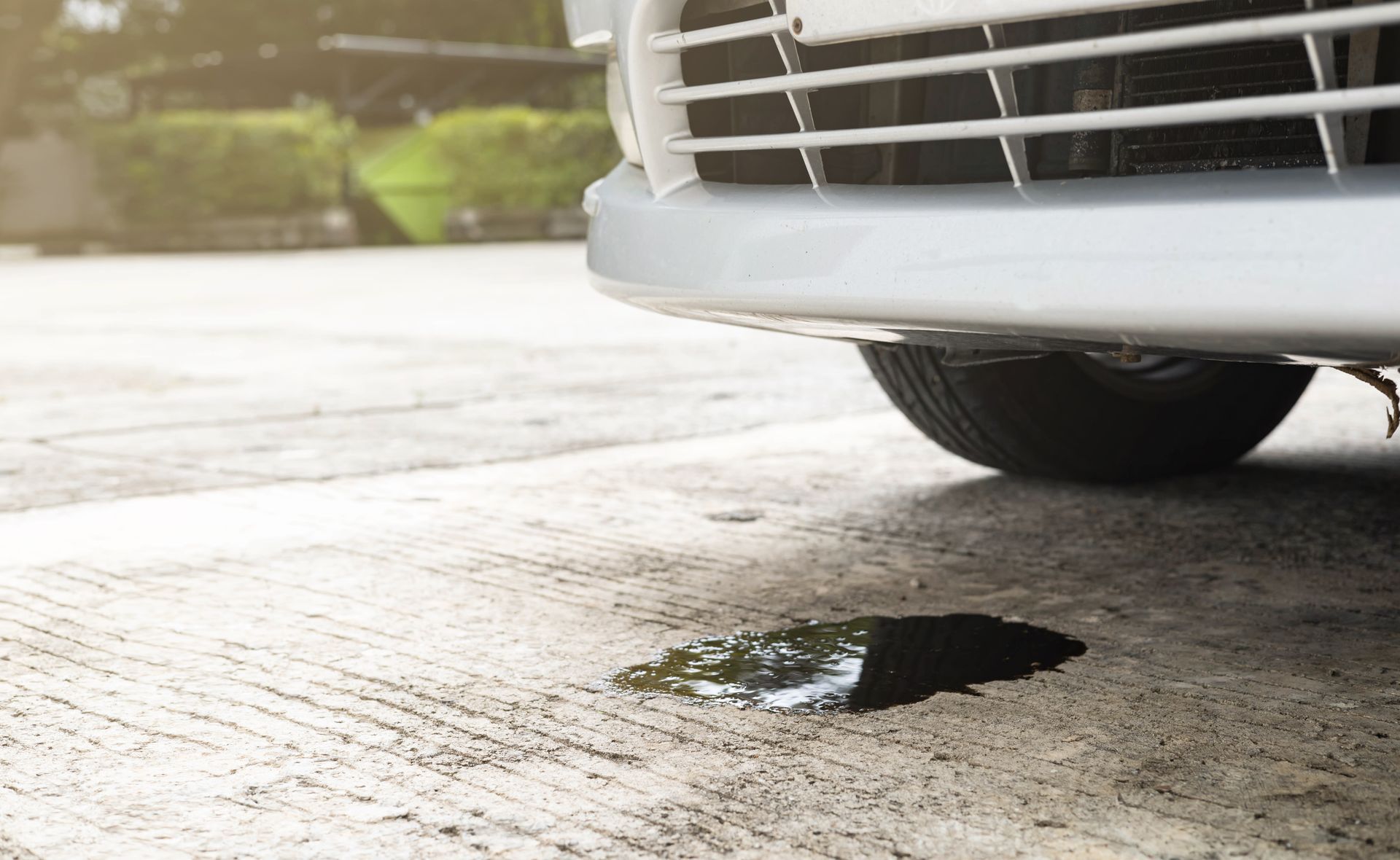
- Oil or coolant can collect on the shield before reaching the ground, so a clean driveway does not rule out a fluid leak.
You hear scraping after crossing a driveway, then spot a plastic panel hanging below the engine. It looks less substantial than a metal skid plate, so it is tempting to assume the car doesn't need it.
That cover often performs several jobs at once. Depending on the vehicle, it helps manage road spray, airflow, noise, and protects nearby parts. A damaged cover needs checking along with its mounting points before it is removed or pushed back into place.
An Engine Splash Shield Keeps Some Road Debris Out
The panel reduces direct exposure to water, grit, and small debris thrown up from the road. It also helps shield areas around belts, electrical connections, and other parts under the engine. Its exact coverage depends on the car, and some vehicles use several panels instead of one large cover.
It isn't a watertight barrier. Driving through deep water still risks damage, and a lightweight plastic shield isn't designed to absorb the same impact as a protective metal skid plate. A hard strike calls for checking the parts above the panel, especially if it's followed by a fluid leak or a new noise.
Underbody Covers Help Direct Airflow
Air moving under a car doesn't follow a clean path by accident. Manufacturers shape panels to reduce turbulence and guide air around the engine bay and underside. Some covers work with ducts or seals that influence how air reaches heat exchangers or leaves hot areas.
The effect varies by vehicle, so there isn't a single fuel-economy penalty that applies whenever a shield is missing. The practical point is that removing it changes an arrangement the car was designed to use. A replacement should fit the correct model and preserve the required openings and clearances.
Some Engine Covers Also Reduce Noise
Certain panels include material that absorbs sound or limits how much reaches outside the engine compartment. Others mainly smooth the airflow and reduce the noise produced beneath the car. A missing panel may therefore make the vehicle sound different even when the engine itself hasn't developed a fault.
A loose panel can create its own noise. It may flap at highway speed, tap against another cover, or drag only when the suspension moves over a dip. Describe when the sound occurs. A noise that changes with road speed brings a hanging shield into the inspection sooner than a sound tied closely to engine RPM.
Missing Fasteners Let a Small Shield Problem Spread
The cover relies on the correct clips, bolts, and mounting points. If several fasteners are missing, airflow pulls against the remaining ones. Torn holes then enlarge, leaving more of the panel unsupported. A shield that looked secure beside the driveway may fold downward once the car is moving faster.
Some covers are removed for oil changes or other service. Afterward, the panel should be fitted without forcing it around nearby parts or leaving its leading edge loose. Review improvised attachments for durability and clearance. A tie holding the panel near a hot exhaust part or rotating shaft creates another problem.
A Splash Shield Can Hide an Engine Oil Leak
Oil or coolant may collect on the panel before reaching the ground. That explains why a reservoir keeps dropping or oil needs topping off even though the driveway stays clean. Road airflow also spreads fluid along the cover, so the wettest area may not be the original leak point.
The inspection needs to trace the leak above the shield. Replacing an oil-soaked panel without fixing the source lets the same contamination return. A burning smell, rapid fluid loss, or a temperature warning means you should check the vehicle before driving further, not wait for a puddle large enough to see.
What to Check When the Engine Cover Is Damaged
A repair should account for:
- Cracks and torn mounting holes
- Missing clips or damaged brackets
- Clearance from belts, exhaust parts, and axles
- Damage or leakage above the panel
- Correct fit around adjoining covers
- Any impact that started the problem
Keep out from underneath a car supported only by a jack. If a panel is dragging, stop somewhere safe and away from traffic, and arrange help rather than reaching beneath the vehicle on an exposed shoulder. A larger impact may have damaged more than the cover.
Get Underbody Cover Repair in Waldorf, MD, With Ashten's Total Auto Care
Ashten's Total Auto Care in Waldorf, MD, can check for a loose engine splash shield, damaged fasteners, or fluid collecting above the cover. Mention any curb, debris, or road impact before the inspection starts.
Call us to arrange an underbody inspection and engine cover repair.