The car behaves during the first few miles, then develops a stumble, a noise, or a reluctant shift. Parking it for a while seems to cure the problem. A quick check the next morning finds nothing unusual, which leaves you wondering whether to keep using it.
Temperature changes the conditions inside mechanical and electrical parts. Fluids become less viscous, seals expand, and electrical faults can appear only after heat builds. Here are six problems worth investigating when normal warm-up, rather than outside weather alone, brings on the complaint.
1. Ignition Insulation Breaks Down When Hot
A weakened coil or damaged boot can begin missing once the engine compartment reaches operating temperature. The engine can idle evenly at first, then shake during acceleration or after a short stop. Cooling gives temporary relief without repairing the insulation or connection that is failing.
Testing should capture which cylinders misfire and under what load. At our shop, we examine the plug, boot, connector, and coil operation rather than assume a warm-engine misfire identifies one part. Injector or compression faults can produce similar behavior. Stop safely if severe shaking accompanies a flashing check engine light, because continued misfiring can overheat the exhaust catalyst.
2. Fuel Delivery Weakens After Extended Operation
A marginal fuel pump or electrical supply can lose reliability once hot. The engine might hesitate after highway driving or take longer to restart following a warm stop. Low pressure is one possibility, while an injector leaking after shutdown can instead leave excessive fuel in a cylinder.
Evaluate fuel pressure, available delivery, and the electrical circuit while the symptom is present. A cold pressure reading doesn't settle an intermittent warm complaint. A technician also distinguishes low-pressure supply from high-pressure injection faults on vehicles with both systems. Replacing a pump because the engine becomes difficult to start after lunch skips those important distinctions.
3. Oil Pressure Becomes Too Low at Hot Idle
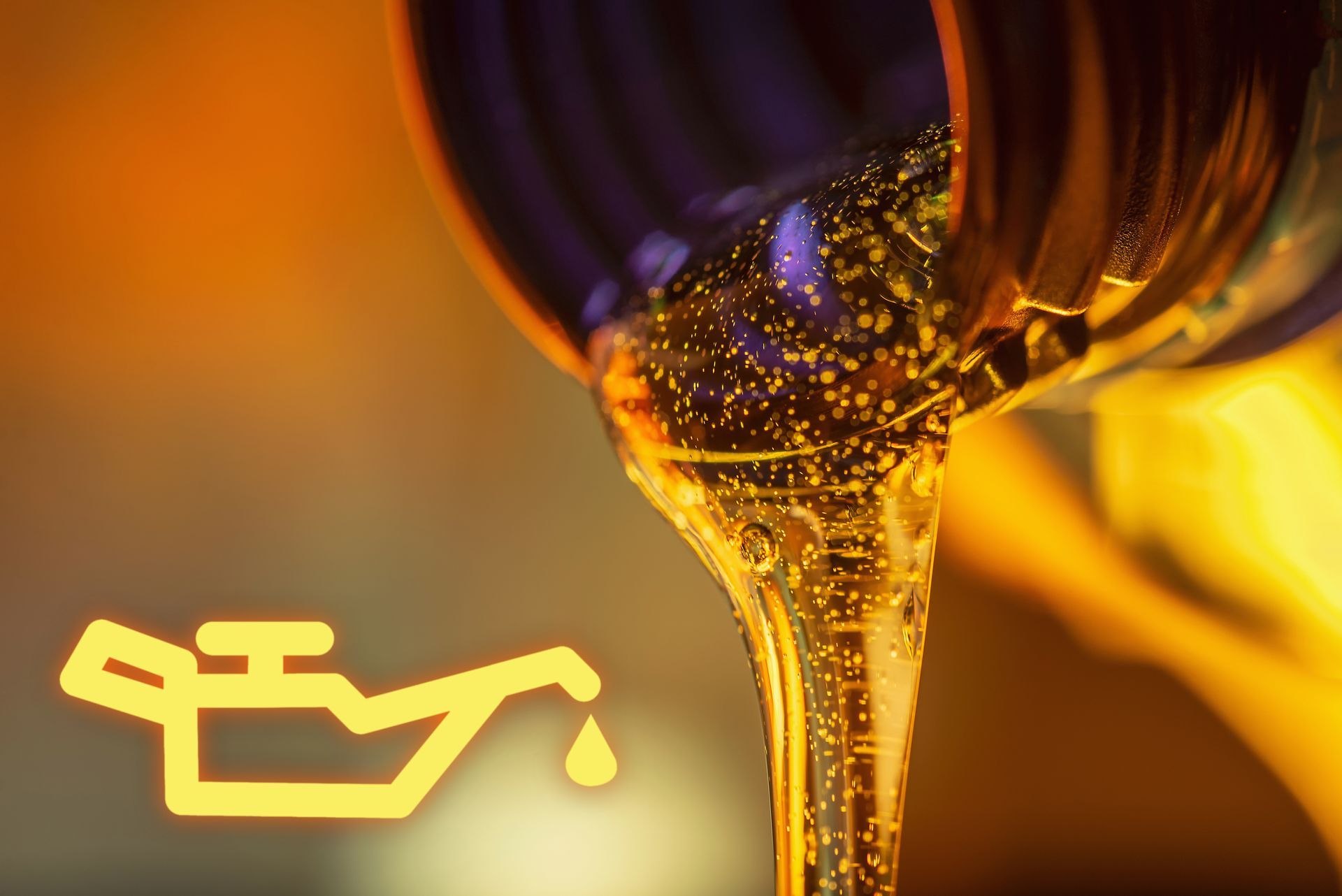
Oil thins as it warms, so pressure readings change during normal operation. An engine with excessive internal clearances, a supply problem, or incorrect oil can show inadequate pressure most clearly once hot and idling. A warning that disappears with higher engine speed still deserves immediate attention.
Shut the engine off after stopping safely when an oil-pressure warning appears. Check the level by the proper procedure, but don't assume adding oil has solved a pressure fault. Mechanical pressure testing can distinguish an inaccurate sender from insufficient actual pressure. Oil and filter information from regular maintenance records helps establish what is currently installed before further diagnosis.
4. Transmission Pressure Loss Changes Shifting
A transmission that delays engagement or shifts poorly only when warm can have internal pressure leakage or a control problem that becomes more evident with hot fluid. Consider worn valve-body passages, seals, solenoids, and other faults. That pattern doesn't establish a need for a transmission rebuild.
We compare commanded operation with actual speed and engagement behavior. Correct fluid level and temperature are part of that check, not an assumption based on the amount added at the last service. A fluid change can't repair worn internal components. Avoid repeated acceleration when the engine revs without the vehicle gaining speed, since ongoing slip creates additional heat.
5. Cooling-System Seals Leak Under Pressure
A hose fitting or plastic housing can look dry at the start of the day, then leak once the system reaches temperature and pressure. Coolant can evaporate on hot surfaces or collect in an undertray. A faint odor after parking might arrive before the first visible spot on the driveway.
A pressure test and examination of dried residue help trace the source. A full reservoir before one trip doesn't clear the system if it repeatedly loses fluid. Never open the pressure cap while hot. If the temperature rises, steam appears, or the heater output drops with an overheating warning, stop safely and arrange help rather than continuing until a larger leak becomes visible.
6. Sensors or Connections Become Intermittent
An engine-position sensor, relay, or electrical connection can fail only after heat reaches a particular level. The car can stall, lose a signal, or refuse a warm restart, then recover as components cool. A single normal resistance reading at room temperature won't necessarily reveal that problem.
The diagnostic inspection needs the actual failure conditions, including sensor power, ground, and output. Record whether the engine was running, recently shut down, or left for several minutes when the symptom appeared. Supplying that sequence helps the shop reproduce the complaint without unnecessary driving. Don't use the apparent recovery after cooling as evidence that the fault has corrected itself or is safe to ignore.
Get Engine And Drivetrain Diagnostics In Waldorf, MD, With Ashten's Total Auto Care
Ashten's Total Auto Care in Waldorf, MD, can investigate problems that develop after warm-up. Share how long it takes for the change to appear and whether cooling restores normal operation.